
 Throughout the last decade, intermittent fasting (IF) has become possibly the most popularised approach to reducing weight. Studies have shown IF to effectively promote weight loss in animal models, and appear to have promising results in humans also.
Here, we will provide a review of IF and an update of the current evidence.
0 Comments
 What is acrylamide?
Acrylamide is a chemical that is formed naturally in a variety of foods when they are cooked or processed at high temperatures (above 120°C), and for longer periods of time. The production of acrylamide usually occurs in high carbohydrate, starchy foods such as bread, potatoes and cereal products however, coffee and roasted almonds are too found to be significant dietary sources of acrylamide.  In my live class where we develop client personas for health coaches I ask, “what does your client persona look like?” I get a wonderful list of people they are going to support; it truly is exciting, and I love their enthusiasm and their desire to help others.
Discovering your unique coaching niche is like finding your compass in the open ocean, guiding you to clientele you’re meant to serve. Narrowing down and knowing your coaching niche is not so easy, however putting in the hard work early on will pay dividends. There are many good reasons for understanding and knowing who exactly you are going to "serve". So read on and let me help you.  “Tell me what you eat, and I will tell you what you are.” — Jean Anthelme Brillat-Savarin When we think about holistic health, many people simply associate the term with diet, exercise and the odd meditation for good measure. We rarely see nourishment of the mind, body and soul as a unified picture and often we overlook the most obvious details linking the three.
Recently science has taken our understanding of our digestive system to a new level, finding huge connections between our mind and body, our moods and our meals and the extensive benefits of (the right kind of) bacteria in our bodies. 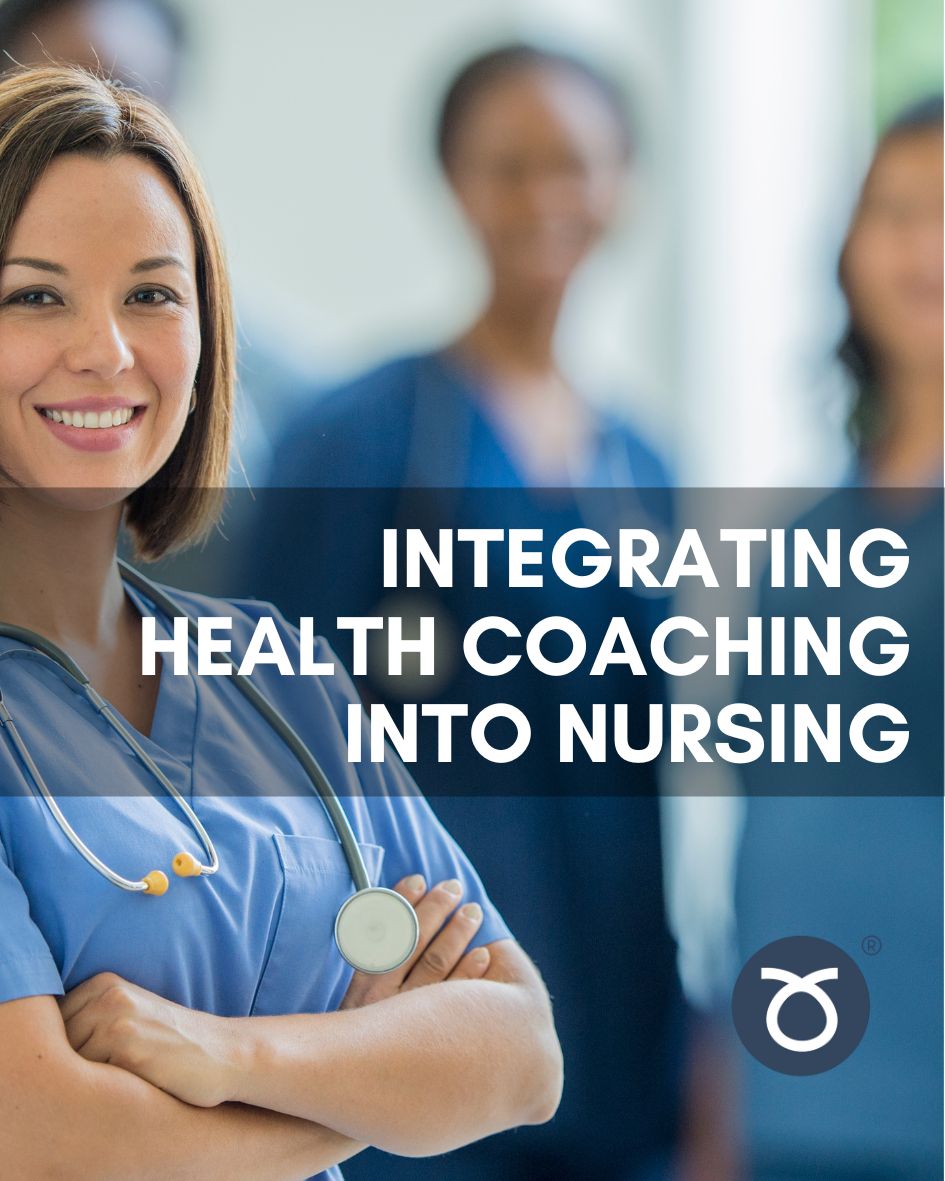 Why are nurses turning to integrative health and health coaching?In this blog we look at the growth area of nurse health coaching, where nurses are incorporating a holistic approach to health and wellbeing, and re-establishing a root-cause, preventive health focus. It’s healing at its best.
 There is no denying that harmful chemicals surround us. We inhale them through our lungs and skin, are exposed to them via medical treatments, apply them topically, and ingest them through our diets and beverages. Unfortunately, our exposure to these chemicals is only increasing. Exposure has a considerable impact on human health, particularly when considering the cumulative effects of exposure to a cocktail of xenobiotics like heavy metals and pesticides. According to Witkowska, Slowik, and Chilicka (202), this exposure can have significant long-term effects.
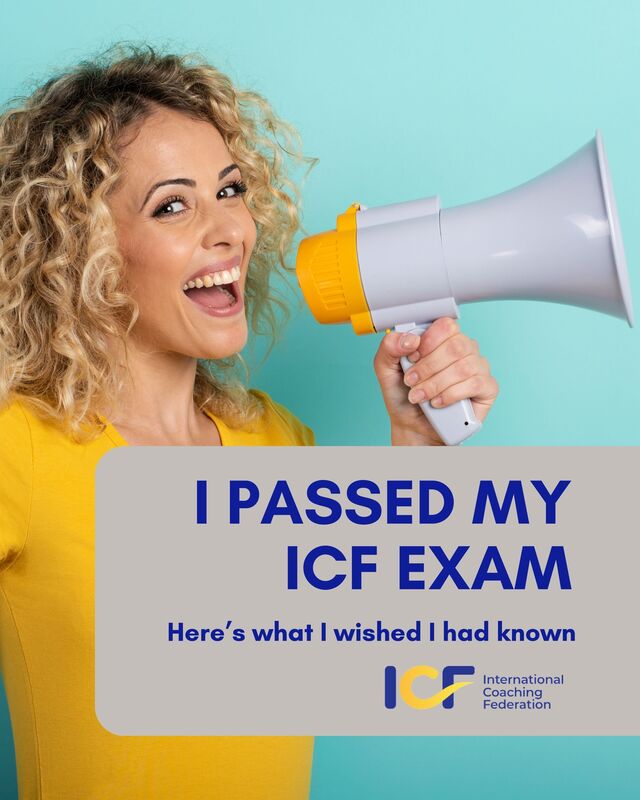 From ICF certified Coach, Sarah Taylor
Well folks, yesterday I passed my ICF credentialing exam. So I’m now a certified ACC coach with the gold-standard of coaching institutes - wooop wooop! It's funny, as I'm not sharing this on social media. Why? Because in all truthfulness, I'm a little embarrassed….that after being in the business of coaching since 2015, I'm only just now able to say I’m ICF certified.  THE FUTURE IS BEYOND WHAT WE PERCEIVE
Energy… could it be the future of modern health care? Increasingly professionals who follow a ‘nature before intervention’ approach are using energetic-based therapies, therapies that tap into the intelligence of nature. We see more herbalists, naturopaths, doctors who specialise in lifestyle management, homoeopaths and other holistic therapists increasing in numbers. At present some of our ‘medicines’ are really quite primitive using an approach that walks a fine line between ‘health’ and toxicity often through the inhibition of our natural cycles. But, we have a feeling that the future of health that draws on the deep intelligence of nature is increasingly closer.  “Finding the right coaching course can be challenging, and at times a bit overwhelming” – we hear this oh so often and we totally get it. There are dozens of courses and colleges popping up, offering you the world from “become a coach for next to nothing” through to “become a coach in a few weeks”. Beyond the gorgeous images and amazing offers it’s so hard to know what you will actually learn, how you will learn it, whether your qualification will be credible, and if so whether you will know how to coach with confidence in real-life. In short, which course will ensure you can be a coach who will change lives? We have over 20,000 students from around the globe, and they’ve all been in your position. We’ve loved coaching them towards the decision that is best for them, so, we thought we’d create a checklist with the questions they have said were most helpful in making their choice. #1 - Most asked question – stress  The most asked question is essentially around stress. It goes something like this:
Assessments can also be a source of stress for many. Hence our second most asked question!  #2 – Assessments So many of us have had ‘not so great’ experiences with exams and assessments in the past. Due dates, lengthy essays, unnecessarily detailed reports or submissions, stressful exams… argh. You spend more time preparing for the assessment than you do preparing to actually work with clients. A well-qualified coach does not need to have sat exams that assessed them on specific topics at a specific time. A skilful coach will have been able to apply their knowledge and build their competence during their training. This does not need to (and we believe should not) be stressful. So, here’s a few questions you might want to ask:
 #3 – Credibility “When I finish the course will I have a qualification that’s recognised by a peak industry body?” We love it when we get asked this question, it’s a vitally important one to ask. Weekly, we have graduates from other programs come to us because their training didn’t teach them how to actually coach (beyond theory), and/or they aren’t eligible to join an industry body and gain insurance. Reputable college’s will state their approvals, accreditation bodies, and recognised authorities with pride. They should be a shining example of not just your learning but of the opportunities available to you once you graduate. For example:
A great college, will include requirements for pro-bono hours and sessions. You might start with friends, family and other students and you may end up with paying clients in this process. Any college who rattles off the latest stats on the growth of the health coaching market to impress you and give you the impression you’ll make lots of money instantly is likely to be in the ‘if it’s too good to be true it usually is’ basket.  #4 – Support “What ongoing support do you provide me once I graduate?”
The main message... While there are many considerations, these are the most important questions we get asked. In your journey to select the right course consider questions that will delve behind the veneer of a website or prospectus to ensure you’re making the best choice and informed decision for you. A good…. no, a great college ensures: 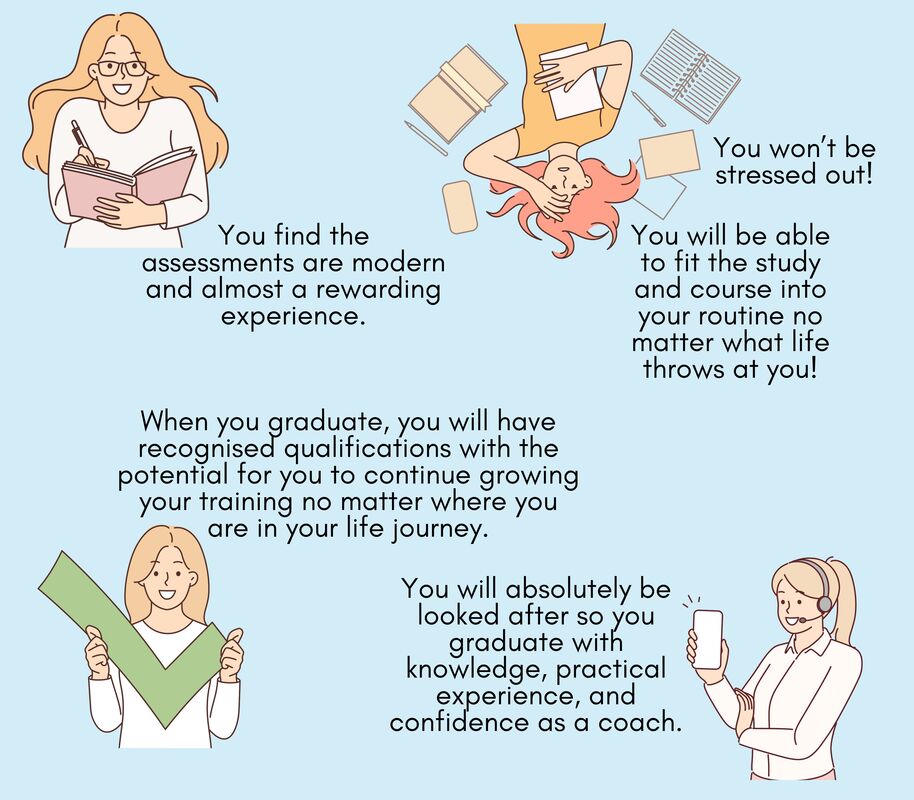   When it comes to eating healthy, you need to set yourself up for success. A well organised kitchen starts with the preparation of the basic ingredients. Here are my 5 Essentials to maintain a Healthy Kitchen and that keep me energised and reduces the risk of illness. I include these on a daily (and/or weekly) basis and add why they are so beneficial for our health! Most of all, they taste awesome!
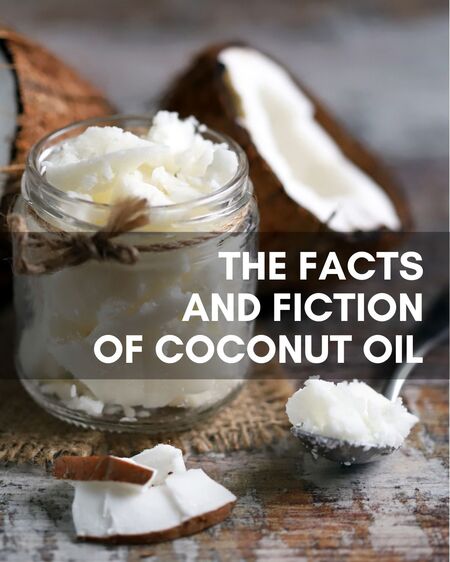 Coconut Oil. The wonderfully amazing, super-health, heals all miracle that has us not only tossing a bit into the pan, but slapping it almost everywhere, and on everything. Face, feet, eggs, beef… You name it. Having been used in the tropics and in Ayurvedic medicine for thousands of years, coconut oil is not exactly a new discovery, however it’s only recently that it’s gained mainstream popularity for its nutritional properties.
So… Just another craze we can ride out? Or is it here to stay?  In honesty I felt like I had a pretty good handle on how to work with behaviour change, how to be client-led, and how to work effectively with clients; after all I had a double major in psychology and education along with post graduate quals in nutrition and higher learning, but I have to tell you I was off the mark.
 Feeding your hungry teens and keeping them feeling satisfied and out of the kitchen for more than ten minutes can seem like a daunting and ongoing task.
Here are five tips for making sure your hungry teens have access to healthful foods and choose healthy options that will keep them satiated, assist them to concentrate at school and allow them to lead an active lifestyle.  With the Nutrition, Health & Wellness Coach Certification accredited by industry leader Health Coaches Australia and New Zealand Association (HCANZA), we thought we would share with you why joining a dedicated industry organisation is in all our best interests.
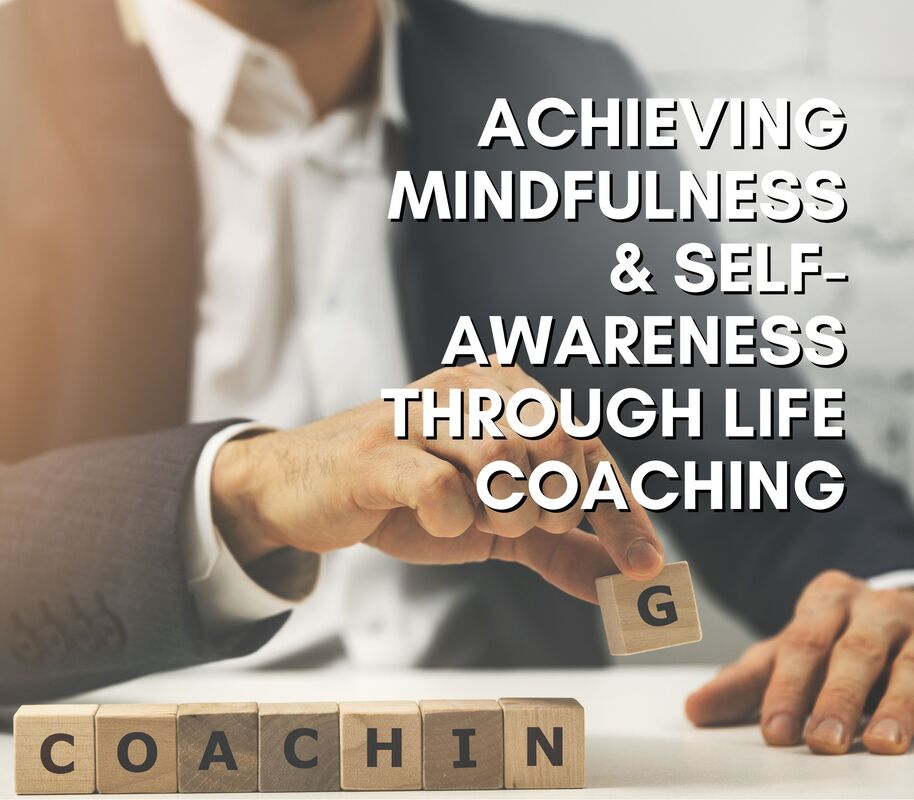 Mindfulness and self-awareness are two crucial elements for achieving personal growth and fulfillment. However, in today's fast-paced world, it can be challenging to cultivate these qualities without intentional effort.
This is where life coaching comes in. Life coaching is a powerful tool that can help individuals develop greater self-awareness and mindfulness, leading to a more meaningful and fulfilling life. In this article, we'll explore how life coaching can assist you in achieving mindfulness and self-awareness, and how these two qualities can positively impact all areas of your life. 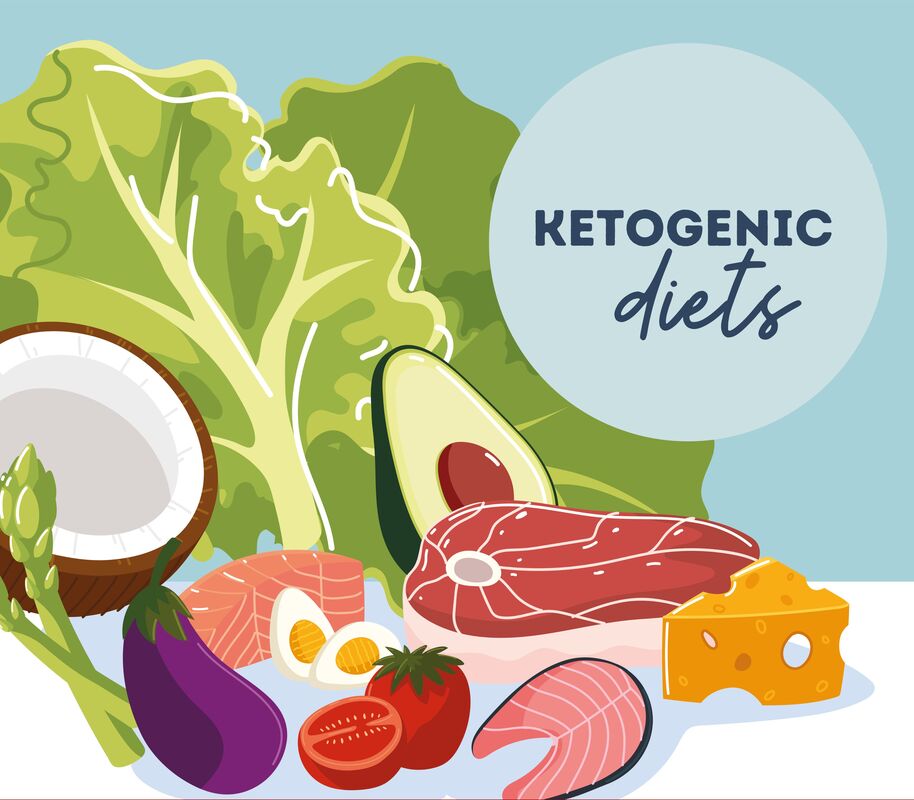 Is a keto diet for everyone?Ketosis seems all the rage in dietary habits these days. But, is a keto diet for everyone? Is it safe? How hard is it to stick to? Is it another weight loss fad? Or is it using our ancestral origins to return to our predetermined ideal eating style? Let’s take a look at what a keto diet is, what happens when our body goes into ketosis, and what the benefits might be.
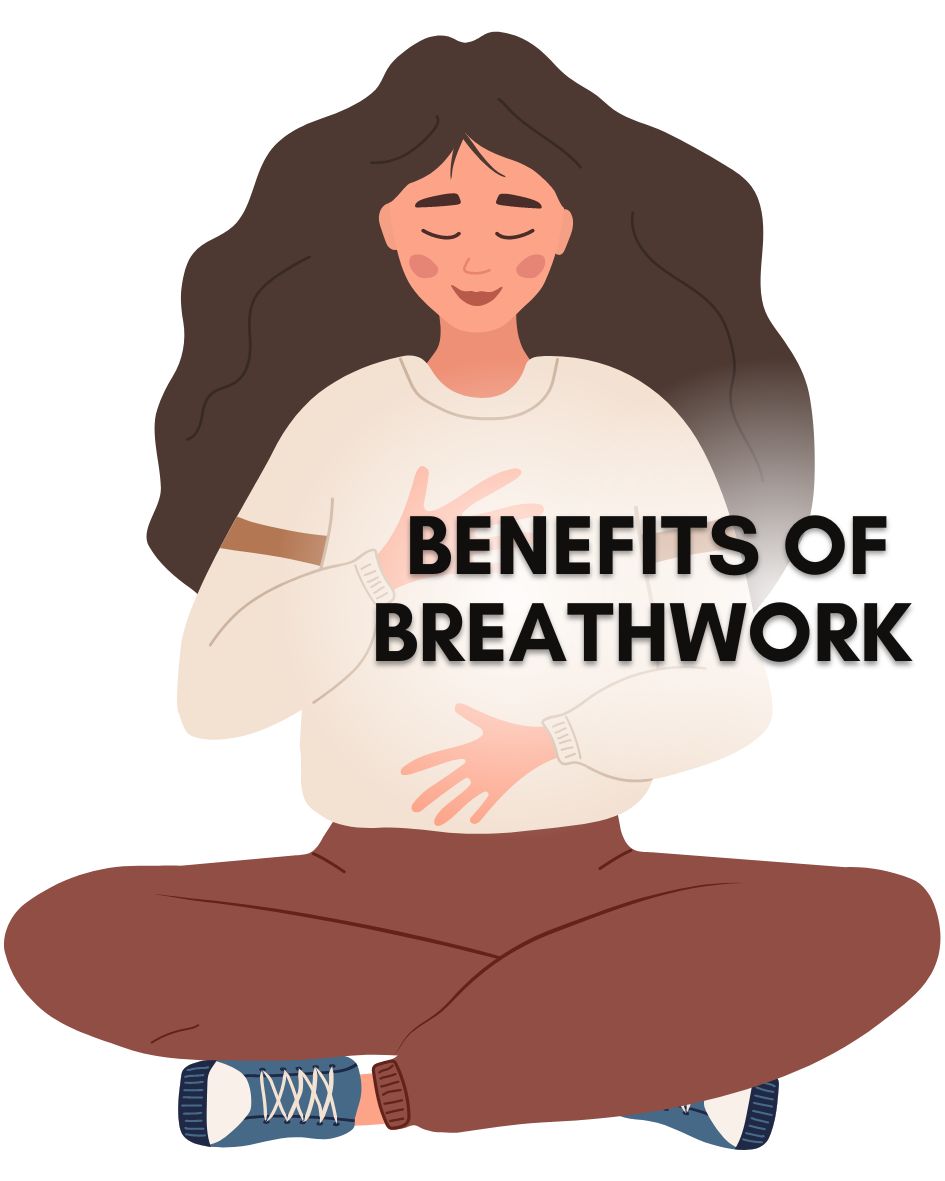 Breathwork has become very very popular in many western countries, the practice has been around for a thousands of years and has its roots in yoga practice. So breathwork is not new, it's very popular in the wellness industry - so what’s the hype and what do you do? Breath? And why do it? What are the benefits?
 Christmas should be the most beautiful time of the year right??
As much as Christmas is an exciting time for most of us, the reality is that it can also be the busiest and most stressful time of the year, leading to a less than-healthful couple of months over the Christmas and New Year period. With a never-ending to do list of purchasing presents, catch-ups with friends, work and school functions and organising family and food, it is imperative for good health to remain focused on looking after ourselves. Here are some ways that will ensure you can enjoy the lead-up to Christmas without the feeling of exhaustion and the less-than-healthful effects that come with our madness around Christmas.  The Early Origins of the Wellness Concept “Wellness” – a modern word with a very old history. The concept of wellness dates back to 3000 BC. Here we will take a look at the very early origins of the concept of wellness.
 Building a successful blog can seem like an insurmountable task if you’re not armed with the right mentality. It takes grit, determination, devotion, education and a serious will to succeed.
Having built a successful skiing website from 0-1,000 visitors per day, I’m fully aware of the challenges you will face. Rejection, frustration and extended working hours can be part-and-parcel of the process, but that doesn’t mean it’s not possible to achieve success. In this article I have listed five rules that I wish I knew when building my first successful blog. I don’t possess a magic formula that will take you from zero to hero in a matter of weeks, but I can give you a glimpse of what to expect by sharing a few nuggets of experience.  Human Response to Negative Change. Know where you are on a curve. Learn how to cope with negative change and become more resilient.
This blog is part II of a three part series from My Nu Ways and Nutrition, Health & Wellness Coaching student Angelika and her business partner Melanie. 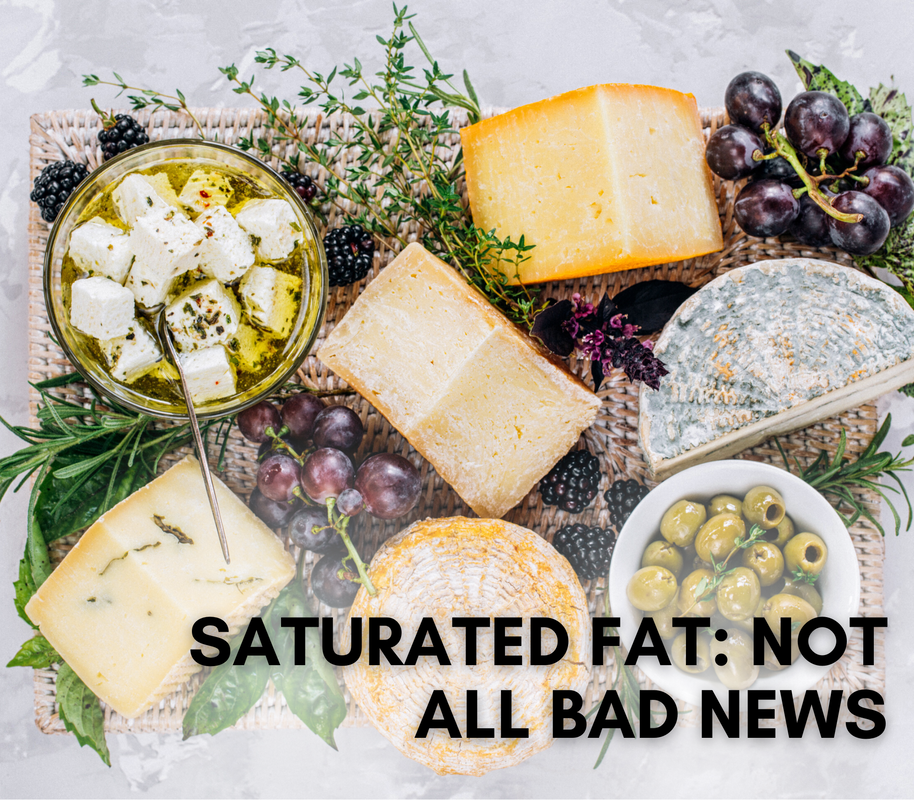 Want to know the whole truth, nothing but the truth?
For decades now we have been told to lower our saturated fat to avoid heart disease and obesity from the extra energy intake. The call has seen the rise of not only extensive educational campaigns in the name of our health, but also a multi-billion dollar industry built around low-fat/fat-free/reduced-fat products and weight loss strategies, employing such products to meet the goals of weight loss seekers and the health conscious. However, reviews of research have now highlighted the lack of understanding around specific saturated fatty acids, which in turn has uncovered the reality that potentially not all saturated fat was bad for us - shock horror!  Finding it hard to stick to your study routine? Do you find yourself scrolling aimlessly through socials or standing at the fridge not really even hungry? No problem, we've a few simple but proven tips to help you be effective at your study.
|
AuthorsBev Whyfon; Bev's Healthy Food Archives
July 2024
Categories
All
|
 RSS Feed

CONNECT WITH US
|